Georgia Puts Ten Soviet-Era Spa Sanatoriums Up For Auction, With Heavy Renovation Strings Attached
The government is selling ten decaying sanatoriums in Tskaltubo, but buyers must commit to major renovation spending, and experts say that may not be enough to revive the town.
By News Media House Staff ·
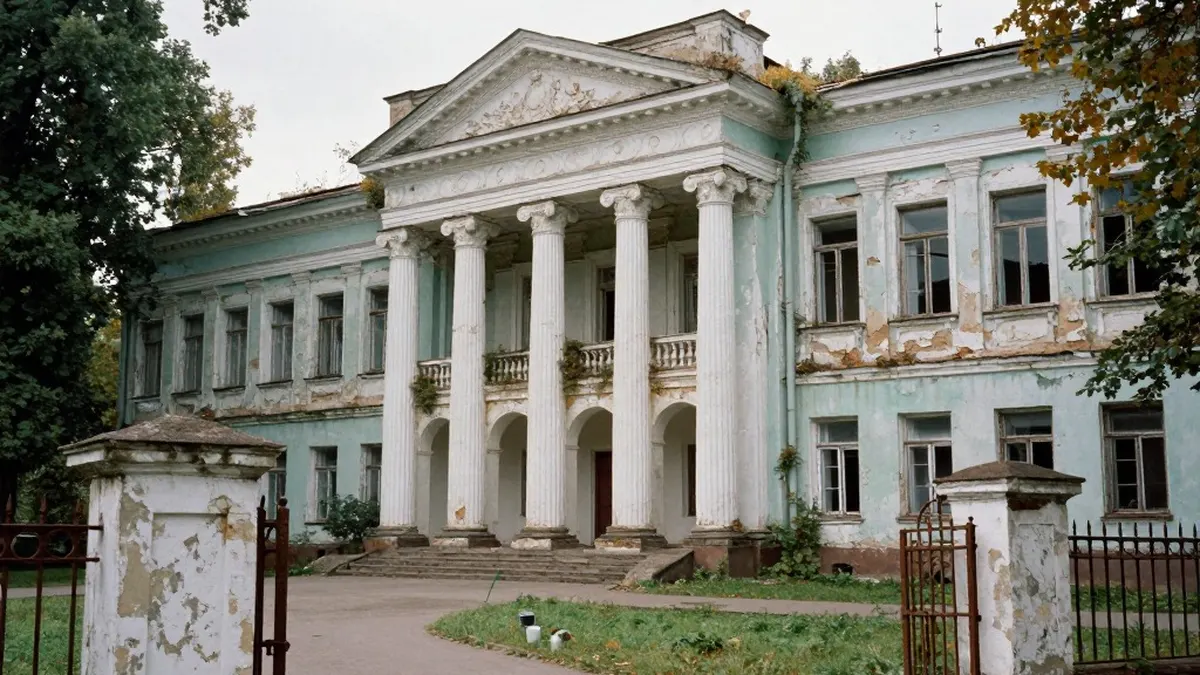
Georgia has put ten run-down Soviet-era sanatoriums in the spa town of Tskaltubo up for sale, though anyone bidding will face significant obligations beyond the purchase price. The government listed the properties on October 20, and the online auction is due to close on November 15.
In Soviet times, Tskaltubo drew holiday makers on direct trains from Moscow. Visitors came for baths filled with warm, mildly radioactive mineral water. The best known of the buildings is the Medea sanatorium, whose neoclassical arches have appeared widely in Western media.
Tbilisi is asking the equivalent of $3.3 million for Medea. The buyer would also have to commit a further $24 million to a five-year renovation that would deliver at least 120 guest rooms, along with conference halls and restaurants. The other sanatoriums in the auction carry similar terms, with initial prices of between $1 million and $3.5 million and pledges to invest considerably more in renovation.
Frederic Le Fichoux, a commercial real estate expert who helped prepare a 2020 feasibility study on reviving Tskaltubo, told RFE/RL that the conditions reflect a broader problem. Restoring single buildings may not draw visitors to a town whose wider infrastructure and attractions have been neglected. "If you are one investor and you buy, you renovate that property that you bought, you turn it around," he said, "but then the rest of the destination is still kept as a ruin."
Le Fichoux believes the town has commercial potential, but says development requires public money for better access, such as roads, alongside private reinvestment in the buildings.
The state has tried selling before. Seven sanatoriums were sold in earlier auctions, but three have since returned to state ownership. One of them was Medea, taken back in 2024 after its buyer failed to meet unspecified contractual obligations.
David Sichinava, a Canada-based academic who grew up playing among the sanatoriums, said the town faces an "all or nothing" approach to redevelopment. He would like to see it thrive again, but has mixed feelings about one feature of Georgian law: Tskaltubo is exempt from permit fees for casino operators, which can reach $1.9 million a year elsewhere in the country. "Balneology (the science of therapeutic use of baths) alone can't really support the kind of tourists that this town can host," he said.
The town drew attention in October 2019, when Bidzina Ivanishvili, Georgia's wealthiest man and founder of the ruling Georgian Dream party, promised to buy the state-owned spas and sanatoriums, calling their condition "depressing." He pledged a "full-scale rehabilitation," but the plan never materialized. Prime Minister Irakli Kobakhidze, a close loyalist of Ivanishvili, told media on October 20 that it was dropped because of the pandemic and what he called "de facto sanctions" against Ivanishvili.
Since the 1990s, the sanatoriums have also housed people displaced by the conflicts in Abkhazia and South Ossetia. Most have moved out, and Sichinava estimates only 100 to 200 displaced people still live in the buildings. Madonna Mushkudiani moved into one after fleeing Abkhazia in 1992 and was relocated to an apartment in the town in 2023. Conditions in the partly derelict building were poor, she told RFE/RL, but she still visits former neighbors. "We miss every minute we spent there. It was our second home," she said.
Originally published by News Media House · Source: RFE/RL